

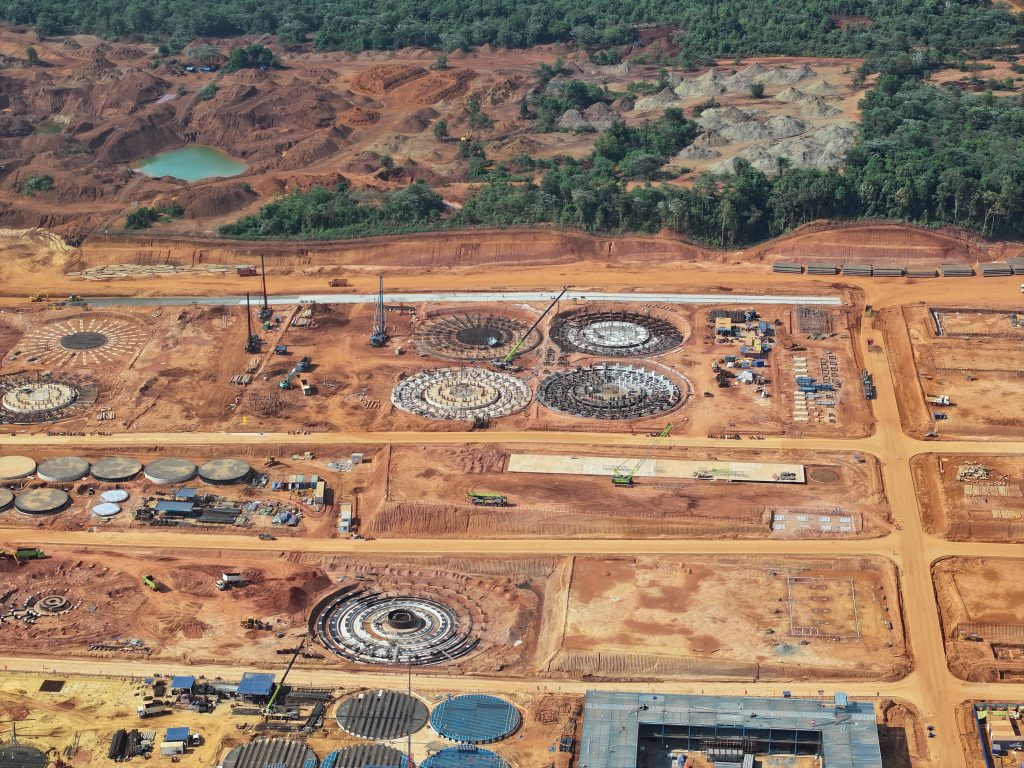
PT Vale Indonesia and PT Zhejiang Huayou Cobalt have promoted the Pomalaa project as a “green” and sustainable industrial development in their public communications. Both companies are members of the PT Kolaka Nickel Indonesia (KNI) consortium responsible for developing the Indonesia Pomalaa Industrial Park (IPIP), which has been positioned as a cleaner and more responsible battery industry hub compared with earlier industrial estates in Morowali and Weda Bay.
In 2022, the Government of Indonesia designated IPIP as a National Strategic Project (PSN), prioritizing its development and mandating state security support from the Indonesian National Armed Forces and National Police. In practice, the deployment of security personnel during land acquisition has raised serious concerns, with reports of intimidation and violence affecting local communities as officers were involved in securing sites and facilitating compensation negotiations.
Satya Bumi, in collaboration with Puspaham (the Indonesian Empowerment and Human Rights Commission), conducted monitoring, field surveys, and desk research related to IPIP. Our findings indicate multiple human rights concerns within the concession area. Land conversion has frequently proceeded without adequate community consent, with 77.5% of 72 surveyed respondents stating they were not involved in a free, prior, and informed consent process. Many residents now face a difficult choice between relinquishing their land or remaining on property that has been environmentally degraded.
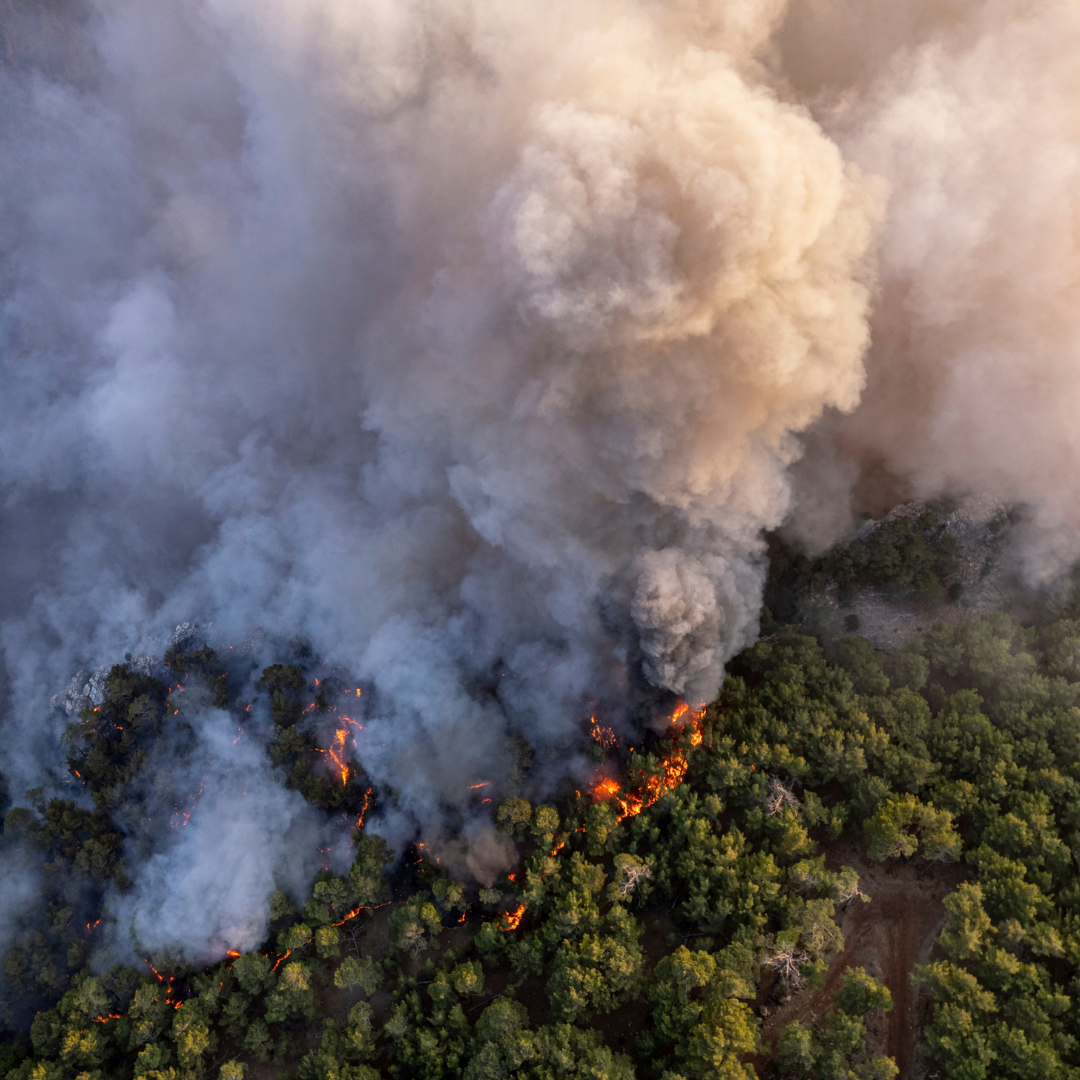
Spatial analysis shows that the IPIP concession overlaps with the Oko-oko and Mekongga watersheds, which serve as primary irrigation sources for local rice fields. Sedimentation linked to construction activities has entered these river systems and contributed to the contamination of agricultural land, intensifying existing environmental pressures in Pomalaa. In addition, industrial expansion associated with IPIP and PT Vale Indonesia has cleared 2,849.99 hectares of land and overlaps with approximately 5,856.62 hectares of protected forest. Such deforestation risks significant carbon emissions, based on indicative High Carbon Stock mapping, and runs counter to broader climate mitigation and energy transition objectives.
Communities in Pomalaa and surrounding villages are bearing the social and economic costs of this environmental degradation. Many residents who depend on farming and fishing report income losses of up to 50 percent. At the same time, exposure to sediment and airborne pollutants from construction activities has been linked to increased cases of skin and respiratory illnesses.
In response, Satya Bumi, Puspaham, and communities from Hakatutobu, Oko-oko, Pesouha, and Sopura Villages call on:
(1) the Government of Indonesia to conduct and publish a comprehensive evaluation of National Strategic Projects in Pomalaa;
(2) industrial park and mining companies to remediate environmental damage and address associated human rights impacts; and
(3) electric vehicle companies to suspend financing of the Pomalaa nickel processing plant until environmental obligations are met and to ensure that supply chains exclude nickel sourced from Kabaena and other small islands.