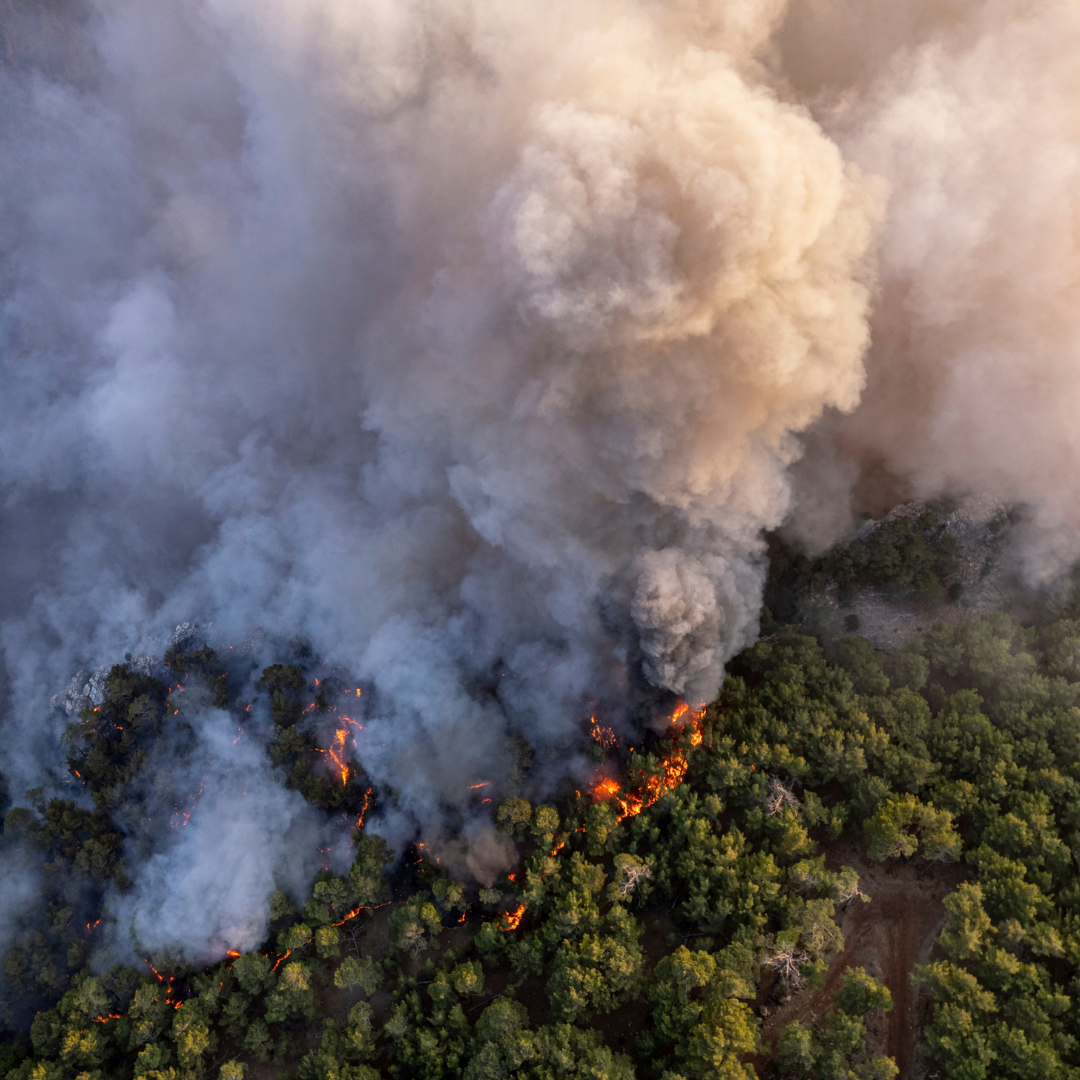



Kabaena, a small island off the tip of Southeast Sulawesi, currently occupies approximately 73 percent, or 650 km², of Kabaena’s total area of 891 km², with dozens of Mining Business Permits (IUPs). Kabaena is constitutionally protected by Law No. 1 of 2014 concerning the Management of Coastal Areas and Small Islands (Law No. 1/2014), which strictly prohibits mining activities on small islands with less than 2,000 km². However, the southern part of Kabaena—administratively located in Central Buton Regency—is one of the areas facing the most significant pressure. Yet, ironically, it has largely escaped public attention and state policy. Yet, this region was one of the initial points of entry for the nickel mining industry into Kabaena since 2007, and it is here that the ecological and social damage began to take a systemic and massive form.
Mining activities on this island have led to widespread deforestation, coastal degradation, marine pollution, and agrarian conflicts with indigenous and local communities that have remained unresolved for nearly two decades. Recent research by Satya Bumi, WALHI Southeast Sulawesi, and the Sagori NGO found that the close ties of company owners to political elites and state officials reinforce impunity for numerous legal and human rights violations. Some of these companies have strong connections to at least five ministers in the Advanced Indonesia Cabinet. Furthermore, nickel exploitation in Kabaena is more than just a local issue; it is a crucial part of the global supply chain for the electric vehicle industry. Many global battery and electric vehicle companies are suspected of sourcing nickel from Kabaena Island. It suggests that so-called “environmentally friendly” electric vehicle products are built on environmental damage and community rights violations in areas like Kabaena.